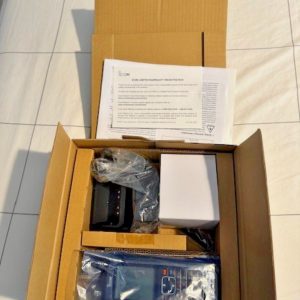
:::writingvariant="document" id="58314" ICOM IC-A25N Handheld NAV/COM Transceiver w/ Bluetooth – Open Box: Portable Aviation Radio The ICOM IC-A25N Handheld NAV/COM Transceiver w/ Bluetooth – Open Box combines user-friendly controls, portable convenience, aviation communication capability, navigation functions, and Bluetooth connectivity. An open-box unit can provide excellent commercial value when the radio, battery, antenna, charger, documentation, and included accessories remain complete and in suitable condition. The ICOM IC-A25N Handheld NAV offers a flexible option for private pilots, commercial operators, instructors, aviation students, and support personnel. As an ICOM IC-A25N Aviation Radio, the transceiver may be used during normal flight operations, communication training, airport monitoring, ground coordination, and emergency preparation. The ICOM IC-A25N Handheld Radio can serve private owners, instructors, students, aircraft dealers, mechanics, and airport staff who need communication away from a fixed cockpit installation. A capable Handheld NAV/COM Aviation Transceiver provides pilots with an integrated solution that can be stored conveniently and accessed quickly. Whether the intended use involves a Handheld Aviation Radio, Aviation NAV/COM Radio, Pilot Handheld Radio, or Aircraft Communication Radio, dependable battery and antenna performance remain important. The unit may also serve as a Portable Aviation Transceiver, Aviation Communication Device, Handheld Aircraft Radio, Aviation Navigation Radio, ICOM Pilot Radio, Emergency Aviation Radio, or Backup Aircraft Radio for appropriate aviation applications.
Understanding the ICOM IC-A25N Handheld NAV/COM Transceiver
The radio’s portable construction allows it to support aircraft operations before departure, during flight, after landing, or while personnel are working around the airport. A handheld NAV/COM platform can serve as primary portable equipment in suitable operations or as supplementary equipment alongside panel avionics. Real-world results depend on setup, antenna use, radio configuration, location, surrounding structures, and the condition of the complete package. Training with the device can reduce delays and confusion when rapid communication becomes necessary.ICOM IC-A25N Handheld NAV Applications
An ICOM IC-A25N Handheld NAV may help pilots monitor frequencies, organize flight-related information, and maintain portable communication capability. Aircraft owners may keep the radio available when maintenance temporarily removes power from installed communication equipment. Navigation features should support rather than replace required pilot preparation, approved navigation equipment, current charts, and appropriate operational judgment. Pilots should avoid burying backup equipment under baggage where it cannot be reached quickly during flight.Choosing an ICOM IC-A25N Aviation Radio
The radio may be useful to pilots operating aircraft with limited avionics, temporary communication problems, or different cockpit configurations. The radio may also be useful at aviation events, remote airfields, flight schools, maintenance shops, aircraft demonstrations, and airport operations areas. The seller should identify any missing accessories, cosmetic marks, opened packaging, previous testing, warranty status, or differences from a factory-sealed package. Remote buyers may request a video showing startup, menu operation, button response, audio output, charging status, and physical condition.Carrying the ICOM IC-A25N Handheld Radio
The IC-A25N provides flexibility for aviation users who need one communication device across multiple locations and operational roles. A secure carrying arrangement can keep the radio accessible without allowing it to move around the cockpit during turbulence or abrupt maneuvering. Users can review the interface in a quiet environment rather than learning controls during engine operation or busy airport activity. A portable radio should not be left in extreme heat, direct sunlight, freezing conditions, or damp environments for extended periods.Handheld NAV/COM Aviation Transceiver Benefits
A NAV/COM transceiver can support normal operations, training, backup planning, aircraft delivery, and selected ground activities. Commercial value depends on condition, package completeness, included equipment, seller support, and the cost of any missing accessories. A brief function check can identify weak battery performance, loose accessories, damaged connectors, or configuration problems before departure. An equipment log may be helpful for flight schools, shared aircraft, or aviation businesses where several users handle the same device.Choosing a Handheld Aviation Radio
A Handheld Aviation Radio is a practical tool for private pilots, instructors, students, mechanics, aircraft owners, flight schools, and airport support personnel. Backup capability may help pilots maintain access to important communication options while managing an abnormal situation appropriately. A handheld radio should be evaluated in the aircraft and environment where it will normally be used. Users should understand local procedures before transmitting from airports, airshows, training areas, or ground facilities.Aviation NAV/COM Radio Applications
A NAV/COM radio may support pilots who need backup communication while also valuing navigation-oriented information and operating flexibility. A portable radio should support cockpit management rather than add unnecessary workload. A handheld device may provide valuable reference information but should not replace required installed equipment or approved procedures where those are necessary. Volume and squelch should be adjusted appropriately while avoiding unnecessary distraction.Choosing a Pilot Handheld Radio
Pilots may carry a handheld radio as part of a broader emergency kit that includes lights, power supplies, charts, tools, and survival equipment appropriate to the flight. Good cockpit organization reduces workload and prevents backup equipment from becoming difficult to reach when needed. A pilot should practice basic operations such as powering on, selecting a frequency, adjusting audio, transmitting appropriately, using memory functions, and checking battery status. A battery that appears charged after long storage may not provide the operating duration expected under real conditions.Choosing an Aircraft Communication Radio
A handheld radio may provide additional flexibility during aircraft demonstrations, test preparation, delivery operations, or extended maintenance events. Headset and Bluetooth accessories should be tested for microphone quality and audio clarity before operational use. Understanding environmental limitations helps pilots choose the best practical location and operating method. Maintaining physical and electronic condition supports dependable Aircraft Communication Radio performance.Portable Aviation Transceiver Applications
The device can support airport ground activities, remote-airfield operations, aircraft inspections, maintenance coordination, and flight preparation. Charging equipment should be identified clearly and kept with the correct radio more info and battery system. A wired backup arrangement may remain useful when Bluetooth accessories lose charge, disconnect, or experience interference. Pilots should avoid troubleshooting complicated pairing issues during high-workload phases of flight.Choosing an Aviation Communication Device
An Aviation Communication Device should provide clear operation, accessible controls, dependable power, suitable audio, and practical compatibility with the user’s aviation environment. Open-box equipment should be compared carefully with new and used alternatives because condition, warranty, packaging, and completeness may vary. Organized equipment management helps ensure that the radio remains available and serviceable for the next user. Training should cover normal communication, navigation-related functions, emergency use, battery care, Bluetooth setup, and storage.Handheld Aircraft Radio Applications
The device may also support pilots at airports where communication must begin before the aircraft electrical system is activated. A handheld unit allows maintenance personnel to confirm communication-related information while aircraft power remains disconnected. A handheld radio should not be placed on an unstable surface where turbulence or maneuvering could send it across the cockpit. Charging ports and connectors should remain dry and free from debris before accessories are attached.Aviation Navigation Radio Applications
The aviation-focused interface is intended to support pilots who need quick access to practical features in a compact format. Competent use comes from practice, realistic expectations, and integration with established navigation procedures. The device should become part of a layered navigation and communication strategy rather than the sole source of critical information. A radio that has not been used recently may require charging, configuration review, Bluetooth reconnection, and accessory inspection.ICOM Pilot Radio Benefits
An ICOM handheld can become a standard part of a flight bag for pilots who regularly operate rented, shared, or personally owned aircraft. Accessories, manuals, packaging, warranty eligibility, and previous registration may affect the practical and commercial value of the radio. The device should support the pilot’s normal workflow rather than requiring accessories or procedures that are inconvenient or incompatible. A protective case and consistent charging routine can help preserve the equipment and prevent missing accessories.Maintaining an Emergency Aviation Radio
A backup transceiver should be included in emergency planning rather than carried without testing or operational preparation. Cockpit structure, antenna location, terrain, altitude, weather, buildings, and battery condition can influence emergency performance. The pilot should know how to operate the radio directly if a paired headset or wireless accessory fails. Any missing charger, antenna, adapter, cable, or battery concern should be corrected before the radio is relied upon.Using a Backup Aircraft Radio
Backup equipment can be particularly valuable during cross-country operations, aircraft delivery, training, rental flying, or travel in older aircraft. A backup device should not be neglected simply because it is not used during every flight. A simple and familiar arrangement is generally more useful during an abnormal situation than a complicated setup that has not been practiced. With thoughtful preparation, a Backup Aircraft Radio can provide valuable confidence without creating unnecessary cockpit complexity.Evaluating an Open-Box Aviation Radio
The display should illuminate correctly and remain free from major damage, unreadable sections, or unexplained visual problems. Missing accessories can increase final cost and may prevent the radio from being used as expected immediately after delivery. Navigation and communication menus should respond normally without freezing, unexpected shutdowns, or intermittent controls. Remote transactions should use secure payment, documented terms, careful packaging, shipment tracking, and clear inspection or return conditions.Maintenance and Long-Term Radio Care
A professional handheld transceiver should be managed as aviation equipment rather than treated like an ordinary consumer radio. Reliable readiness comes from planned inspection, charging, practice, and responsible storage.- Review the complete package and remove the radio from backup service if physical or electronic condition is uncertain.
- Verify frequency settings, memory organization, Bluetooth pairing, audio routing, volume, squelch, navigation functions, and battery status during preflight preparation.
- Store the radio, battery, charger, antenna, adapters, and documentation in a dry, organized, protected location after use.